

Sellers who walk away with the best offers in the Triangle rarely list on a whim – they plan ahead. A little preparation goes a long way toward attracting strong offers and a smooth closing.
Dated: February 25 2026
Views: 611
Buying a second property can be a smart way to build long-term wealth, create a getaway that’s actually used, or generate rental income. It can also be a major financial drain if the numbers (or lifestyles) don’t support it.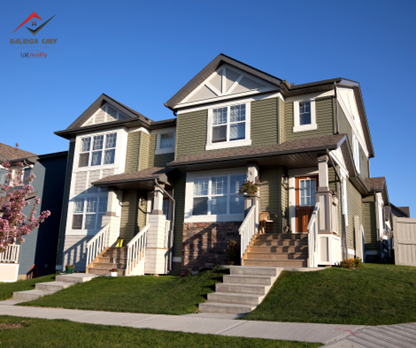
The key is knowing what the property is for and being honest about the true cost of ownership. The experienced team at Raleigh Cary Realty is here to help break down the need-to-know about second properties.
A second property is any home bought in addition to a primary residence. Most buyers fall into one of these buckets:
Each category comes with different loan rules, insurance requirements, and risk levels.
Second properties are most attractive when they help do one of these things:
The upside can be real, especially if bought strategically and keeps a long view.
Beyond the mortgage, costs also include:
If the property will be rented, make sure the deal works with realistic occupancy—not best-case scenarios.
A second property may be a good fit if most of the following are true:
If the monthly budget feels stretched, rental income is being counted on to “make it work,” or the purchase is driven by FOMO, it may be time to pause and reassess.
When a second property is on the table—rental, vacation home, or a future move—Raleigh Cary Realty can help evaluate both the numbers and the strategy before committing. Reach out to Raleigh Cary Realty to discuss goals, explore best-fit neighborhoods and property types, and build a plan that supports long-term finances and real-life priorities.
Sellers who walk away with the best offers in the Triangle rarely list on a whim – they plan ahead. A little preparation goes a long way toward attracting strong offers and a smooth closing.
When starting the homebuying journey, two terms come up almost immediately: pre-qualification and pre-approval. They sound similar, and many people use them interchangeably — but they are very
Choosing between a townhome and a single-family home is one of the biggest decisions buyers face — especially in markets like Raleigh and Cary, where both options are abundant and competitive.
Buying a second property can be a smart way to build long-term wealth, create a getaway that’s actually used, or generate rental income. It can also be a major financial drain if the numbers
 Copyright 2026 Triangle MLS, Inc. of North Carolina. All rights reserved.
The data relating to real estate for sale on this web site comes in part from the Triangle MLS, Inc. of North Carolina. Real estate listings held by brokerage firms other than Raleigh Cary Realty | Lpt realty are marked with the Broker Reciprocity logo and detailed information about them includes the name of the listing brokers. Brokers make an effort to deliver accurate information, but buyers should independently verify any information on which they will rely in a transaction. The listing broker shall not be responsible for any typographical errors, misinformation, or misprints, and they shall be held totally harmless from any damages arising from reliance upon this data. This data is provided exclusively for consumer's personal, noncommercial use.
Closed (sold) listings may have been listed and/or sold by a real estate firm other than the firm(s) featured on this website. Closed data is not available until the sale of the property is recorded in the MLS. Home sale data is not an appraisal, CMA, competitive or comparative market analysis, or home valuation of any property.
Listings marked with an icon are provided courtesy of the Triangle MLS, Inc. of North Carolina, Internet Data Exchange Database.
This site is monitored for scraping. Any use of listing data obtained from this web site, other than by a consumer looking to purchase real estate, is prohibited.
This data has been updated as of September 23, 2026 6:22 PM UTC
Copyright 2026 Triangle MLS, Inc. of North Carolina. All rights reserved.
The data relating to real estate for sale on this web site comes in part from the Triangle MLS, Inc. of North Carolina. Real estate listings held by brokerage firms other than Raleigh Cary Realty | Lpt realty are marked with the Broker Reciprocity logo and detailed information about them includes the name of the listing brokers. Brokers make an effort to deliver accurate information, but buyers should independently verify any information on which they will rely in a transaction. The listing broker shall not be responsible for any typographical errors, misinformation, or misprints, and they shall be held totally harmless from any damages arising from reliance upon this data. This data is provided exclusively for consumer's personal, noncommercial use.
Closed (sold) listings may have been listed and/or sold by a real estate firm other than the firm(s) featured on this website. Closed data is not available until the sale of the property is recorded in the MLS. Home sale data is not an appraisal, CMA, competitive or comparative market analysis, or home valuation of any property.
Listings marked with an icon are provided courtesy of the Triangle MLS, Inc. of North Carolina, Internet Data Exchange Database.
This site is monitored for scraping. Any use of listing data obtained from this web site, other than by a consumer looking to purchase real estate, is prohibited.
This data has been updated as of September 23, 2026 6:22 PM UTC
